

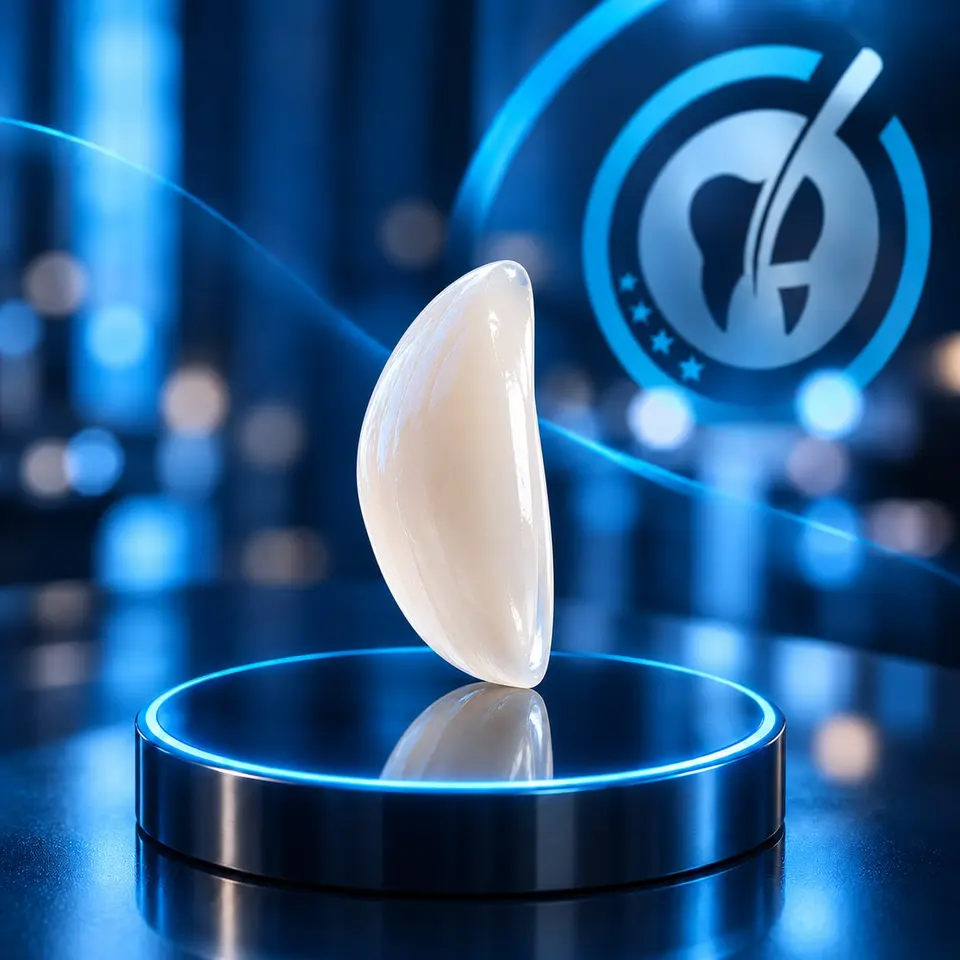
Veneers
- Coverage
- Front surface and edge
- Tooth removed
- Thin front layer (usually irreversible)
- Best for
- Healthy teeth with cosmetic concerns
- Strength contribution
- Cosmetic — does not reinforce the tooth
- Lifespan
- ≈ 10–15 years
Cosmetic dentistry
Thin ceramic facings bonded to the front of your teeth — reshaping colour, length and symmetry while preserving far more tooth than a crown.
Before and after
A selection of real BlueMagic Group patients, photographed before and after treatment and published with their consent.
These cases cover a range of treatments and are not specific to this page. Individual results vary. Tap a photo to enlarge it.
Understand the treatment
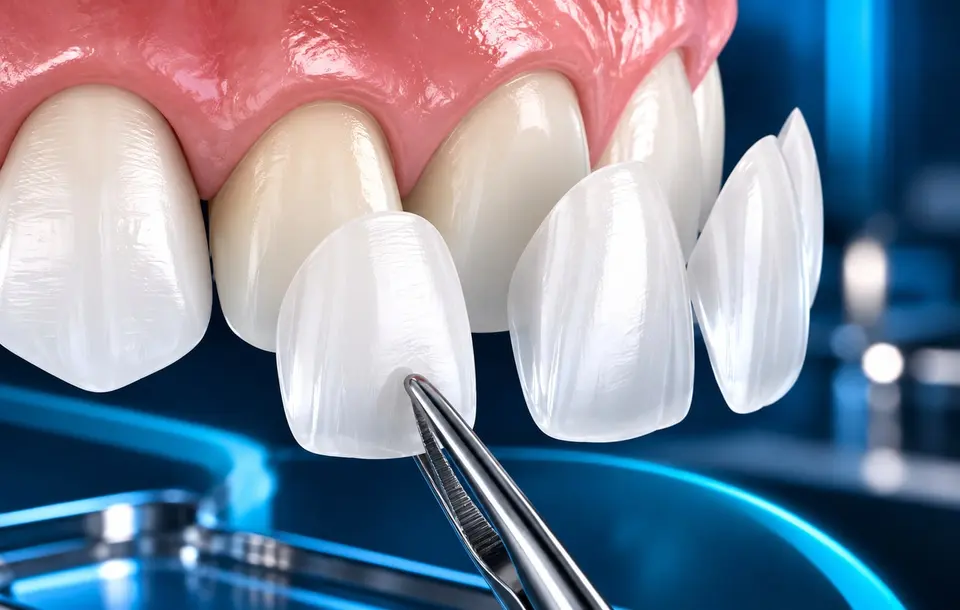
A veneer is a thin shell of ceramic — often under a millimetre — bonded to the visible front surface of a tooth. Because it replaces only the front face rather than capping the whole tooth, veneer preparation removes a fraction of what a crown requires, while still transforming colour, shape, length and alignment of the smile you show the world.
Veneers are the tool of choice for structurally healthy front teeth that look wrong: permanent discoloration that whitening cannot fix, worn or chipped edges, small size mismatches, or minor rotations that do not justify orthodontics.
You will read the phrase “minimal prep” everywhere veneers are sold. Here is what it actually means: in most cases, a thin layer of enamel is removed so the veneer sits flush and bonds strongly. That enamel does not grow back. Once veneered, those teeth will always need veneers or crowns. Genuinely no-prep cases exist — usually small teeth, gaps or slightly inclined teeth — but they are the minority, and the only way to know is a clinical review of your teeth, not a promise on a website.
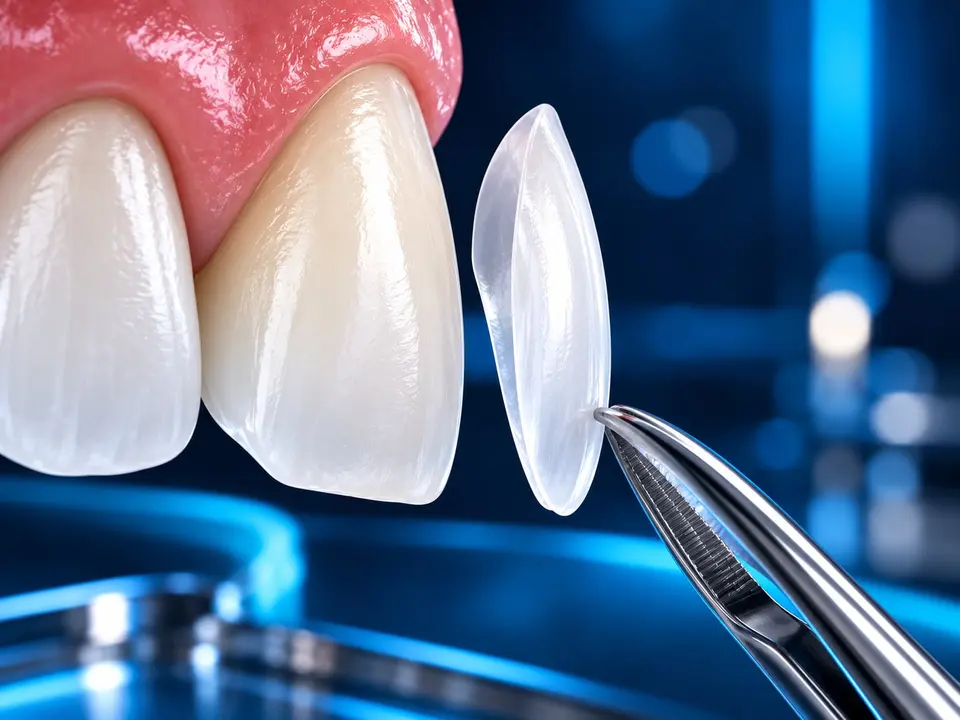
If a dentist tells you veneers are always reversible, ask them to put it in writing. We tell you the truth instead: usually irreversible, occasionally no-prep, always confirmed case by case before you commit.

Is this you?
Candidacy is always confirmed by the dental team through a review of your photos and X-rays — this list is general guidance, not a diagnosis.
Gains and trade-offs
Benefits
Limitations
Treatment stages
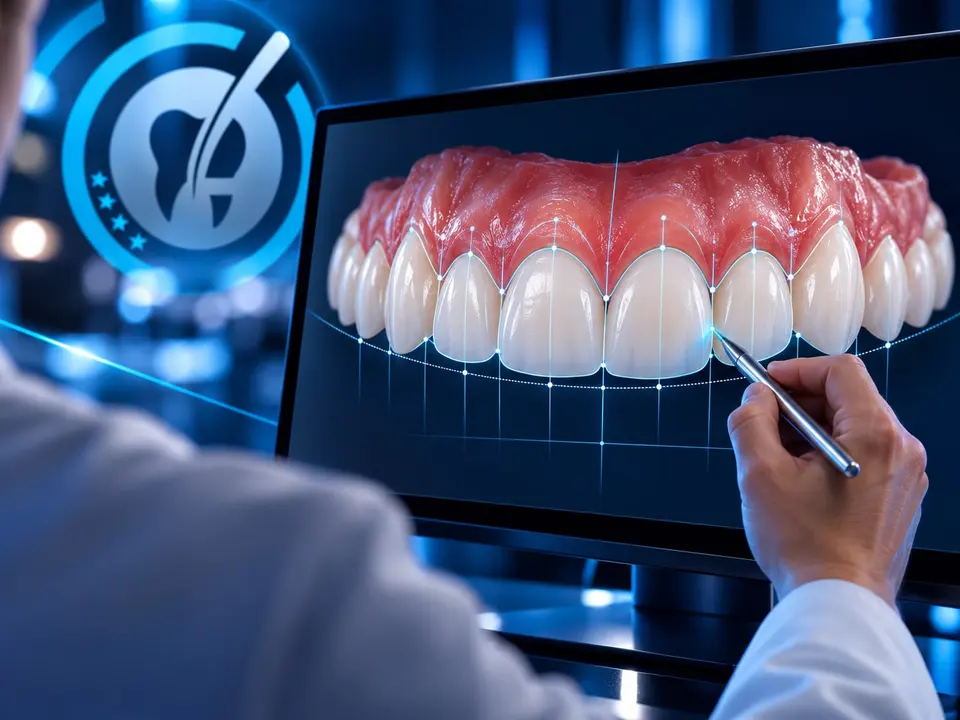
Photos, proportions and your wishes become a concrete design — shade and shape agreed with you before any tooth is touched.
A conservative layer of enamel is shaped under local anaesthesia; impressions go to the laboratory.

Temporary veneers protect your teeth and let you preview the new length and shape in real life.

Each veneer is crafted and characterised individually in premium ceramics.

Veneers are tried in with adjustable try-in pastes; only when you approve are they bonded permanently.
Occlusion checked edge to edge; final polish; written care instructions.
Transparent pricing
After your photo review, you receive a written per-tooth plan: which teeth get veneers, which (if any) need crowns instead, and the exact price of each unit. No package illusions, no on-the-day surprises.
Every quote is personal: it is prepared only after a clinical review of your photos and X-rays, and that written plan is the binding one.
A few smile photos and, if you have one, a panoramic X-ray. It takes minutes and costs nothing.
The dental team maps every tooth, the materials and the visits, then sends a fixed written quote, usually within 24 hours.
Your plan is the reference for every visit. Any change is explained and agreed with you first, in writing.
Compare
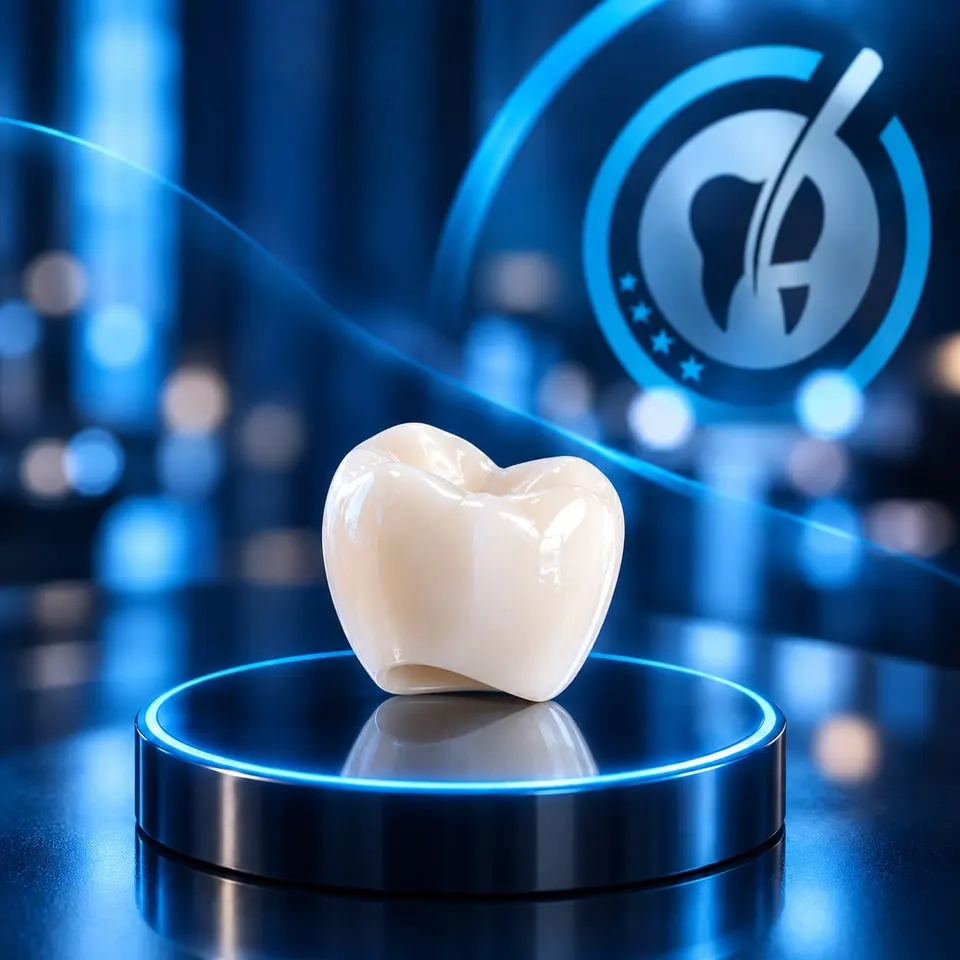
The rule of thumb: healthy tooth that looks wrong → veneer. Damaged tooth → crown. Mixed smiles very often need both, matched to one design.
Verified reviews
Real 5-star reviews from Trustpilot, where BlueMagic Group Clinic is rated 4.6/5 from 1,475 reviews.
“Wonderful experience I came from the US and got crowns done. My dentist was amazing he exceeded my expectations. The staff was so friendly if I had to do it all over I would pick this company every time”
Trustpilot ↗
“True to their word. Everything they promised was delivered and they stayed true to their word. Very convenient nothing to worry about. All you have to do is show up. They take care of the rest. Walter my care coordinator is with me every step of the way pre, during and post surgery. Great service.”
Trustpilot ↗
“They are 100% top-quality professionals. From the very first moment you contact them until your process is complete, they always answer all your doubts and questions. I highly recommend them. Bekim Hoxha was the first person I spoke with; he is an incredible and very kind individual—excellent work.”
Trustpilot ↗
Leadership & medical team
BlueMagic Group is led by its founders and a dedicated medical team, with one standard of care from the first message to your final check-up.
You always meet your treating dentist, by name, before any treatment begins.



After treatment
Sensitivity to temperature for a few days after preparation is normal.
With temporaries
Avoid biting directly into hard food; they are a preview, not the product.
After bonding
Normal eating the same day; avoid using your new edges as tools — ever.
Speech adapts to new edge lengths within a few days.
Risks, honestly
The main risk is the one already stated: irreversibility of enamel removal. Beyond that — veneers can chip or debond, particularly in grinders and nail-biters; prepared teeth can experience transient sensitivity; and poorly maintained margins can decay like any restoration. Our mitigations are equally concrete: conservative preparation, bite analysis before design, night guards for grinders, and a shade decision made calmly with you rather than defaulting to maximum white.
Questions

Ask a coordinator in your language. Send a photo if it helps: a person answers, usually within 24 hours.
Chat on WhatsAppUsually not — and any clinic that answers this differently without examining you is telling you what you want to hear. Most veneer preparations remove a thin, permanent layer of enamel. True no-prep cases exist but are the minority; your review will tell you honestly which you are.
As many as your smile shows and your symmetry requires — commonly 6 to 10 in the upper arch, sometimes fewer with clever shade matching. The design phase answers this precisely, tooth by tooth.
That is a design decision. Natural means graded shades, subtle translucency at the edges and shapes that fit your face — all of which we agree with you at try-in before bonding. The piano-key look comes from choices, not from ceramic.
Veneers for healthy teeth with cosmetic concerns; crowns for teeth with structural damage. Many smiles need a combination, and the honest split is visible on your photos and X-rays — which is exactly what the free review establishes.
Around 10–15 years is realistic, longer with careful habits. Grinding, nail-biting and using teeth as tools are what shorten the number. A night guard is mandatory advice for grinders.
If you want a brighter overall smile, yes — whiten first, then match the veneers to the new shade. Ceramic cannot be whitened afterwards, so the sequence matters.
Most veneer plans complete in one stay of roughly a week: design and preparation at the start, laboratory mid-stay, try-in and bonding at the end. Your written plan confirms the days before you book.
Keep exploring
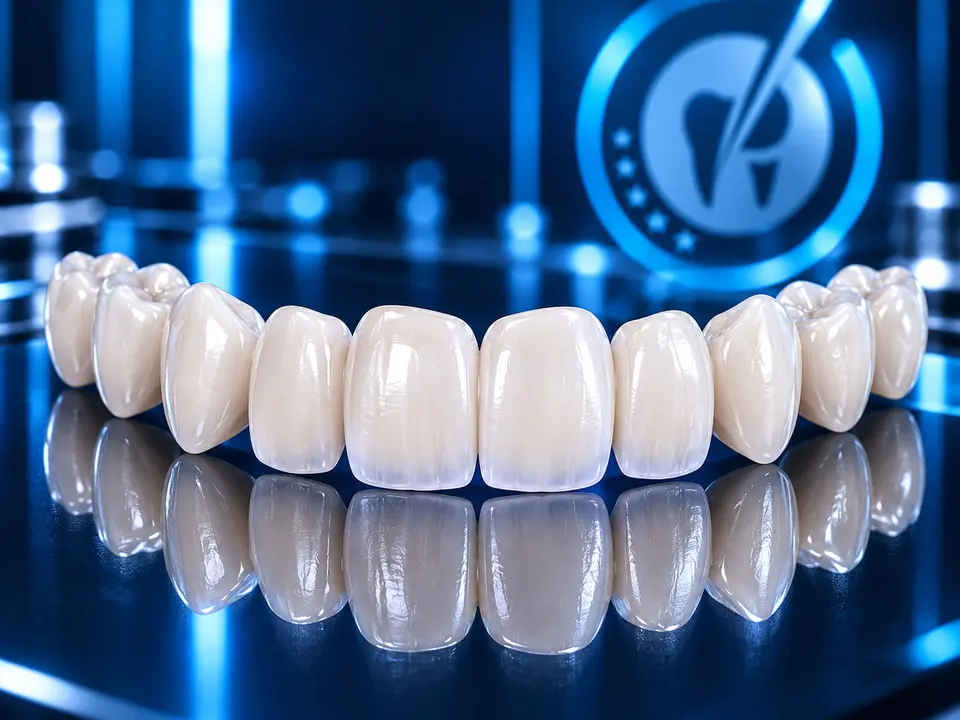 Treatment
A complete smile makeover around one design.
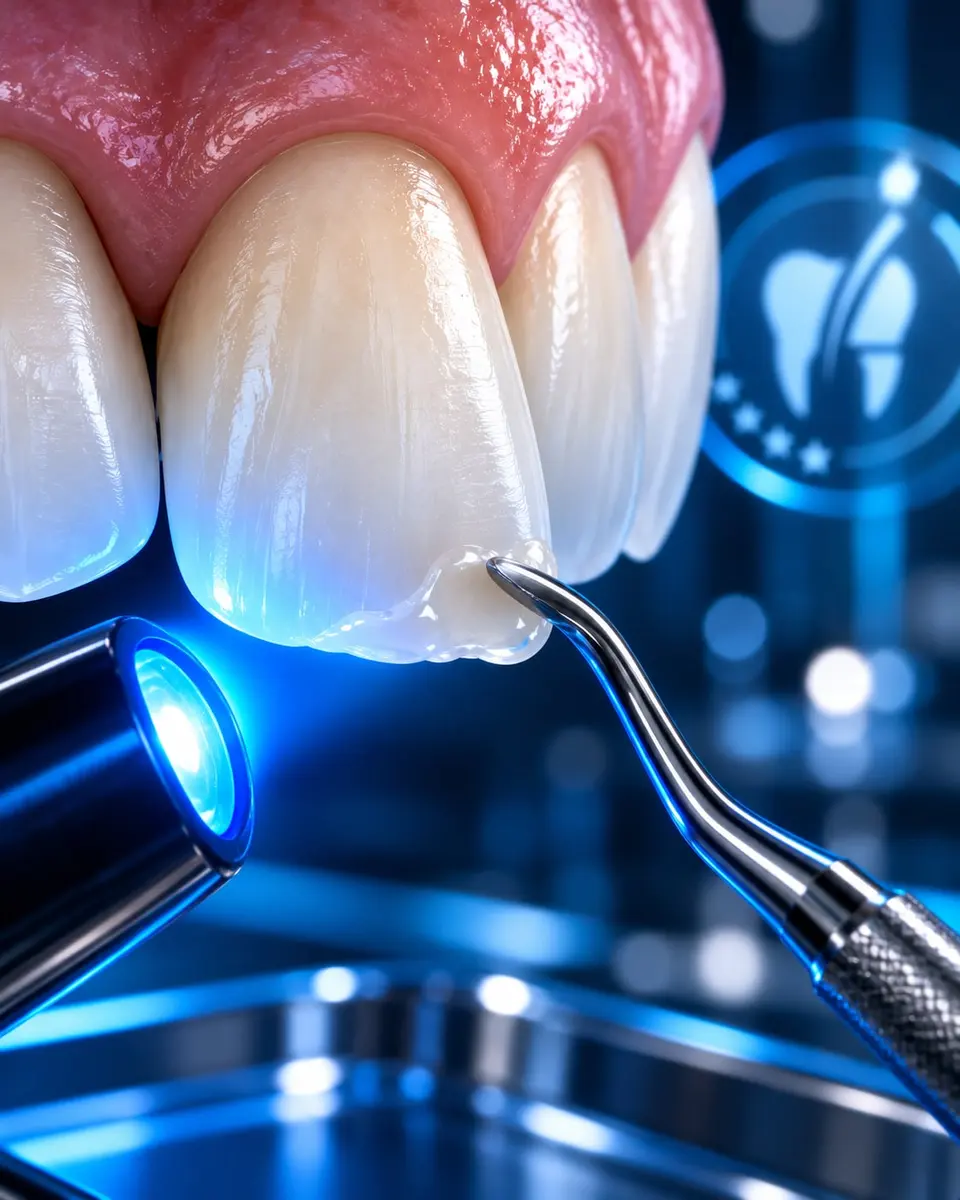 Treatment
Same-day fixes for chips, edges and small gaps.
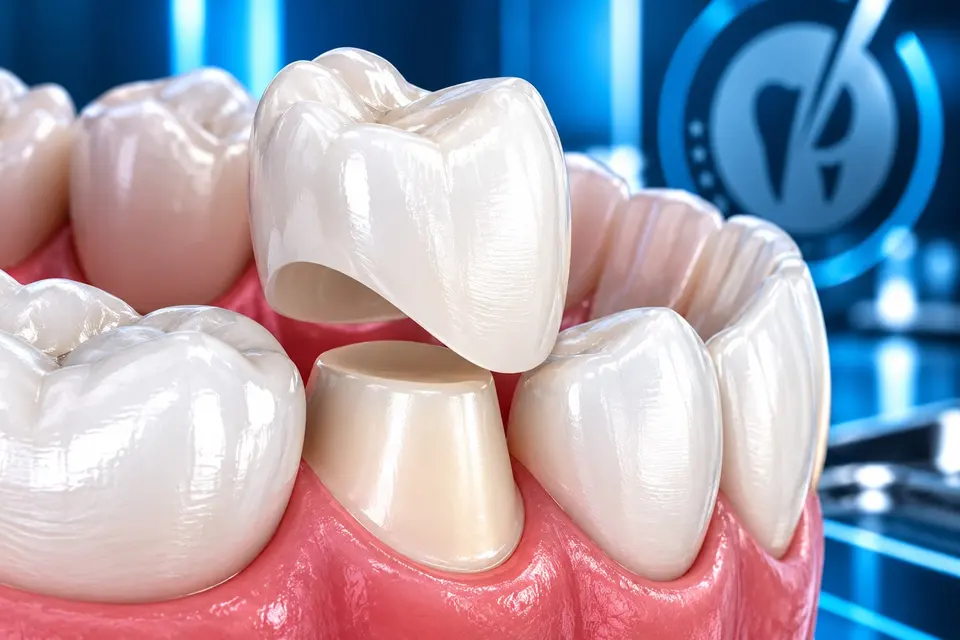 Treatment
Rebuild damaged teeth in zirconium or E-max ceramic.
Cost guideWhat drives the price and what is included
Your free smile plan
Free photo review with a per-tooth plan — veneers where they belong, honesty where they do not.
A multilingual coordinator replies within 24 hours.
Get your free smile plan
Free Smile Plan